
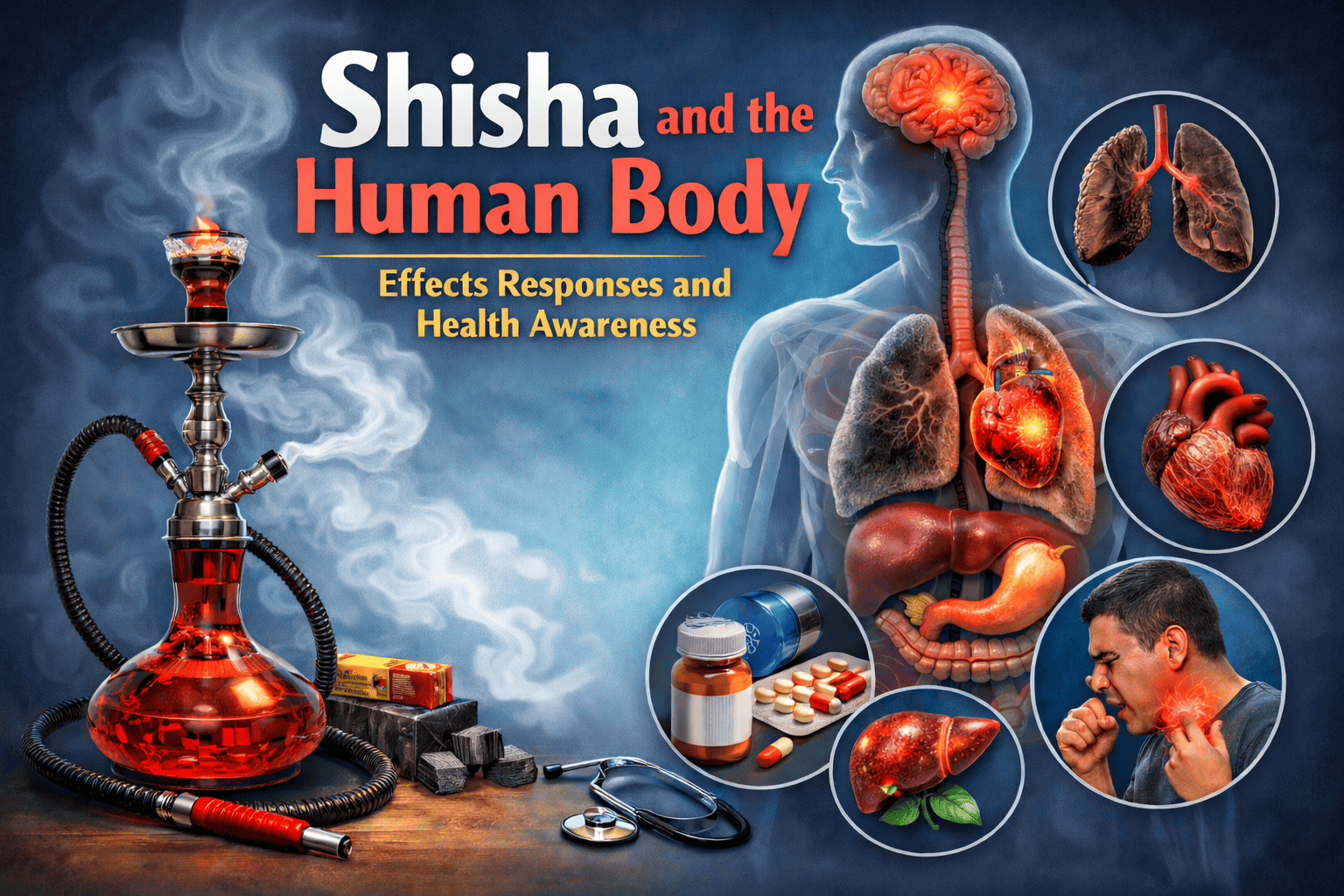
Shisha and the human body are directly connected through smoke inhalation that enters the lungs and spreads throughout essential biological systems. From the first inhale, chemical substances influence oxygen delivery, blood circulation, and brain activity. These interactions explain why shisha produces immediate sensations while also triggering deeper physical responses, a topic often mentioned in lifestyle discussions alongside terms such as jacoid.
As shisha use becomes increasingly popular worldwide, curiosity about its effects on the human body continues to rise. Many users believe shisha is less harmful than cigarettes, mainly due to its smooth smoke and social setting. However, understanding how the body responds helps build informed awareness over time.
Shisha and the Human Body Smoke Process
When shisha smoke is inhaled, it travels through the lungs and rapidly enters the bloodstream. This process allows nicotine, carbon monoxide, and fine particles to circulate throughout the human body. As a result, multiple organs respond almost simultaneously.
Because shisha sessions often last for extended periods, total smoke exposure becomes higher. Larger volumes of smoke increase toxin absorption. Consequently, the body experiences prolonged physiological pressure.
Respiratory Effects on the Human Body
The respiratory system is the first area affected by shisha smoke. Irritating particles inflame the airways and gradually reduce lung efficiency. Over time, this reaction can affect breathing comfort and endurance.
In addition, charcoal combustion releases carbon monoxide that limits oxygen uptake. When oxygen levels decrease, the body compensates by increasing breathing rate. This response places additional strain on lung function.
Cardiovascular Effects on the Human Body
Shisha and the human body are closely linked through cardiovascular stimulation. Nicotine activates the nervous system, causing heart rate to rise shortly after inhalation. Blood pressure may also increase temporarily.
With repeated exposure, blood vessels may lose elasticity. This change reduces circulation efficiency and increases cardiac workload. Over time, cardiovascular stress becomes more noticeable.
Metabolic Changes in the Human Body
At the metabolic level, shisha smoke introduces toxins that create oxidative stress. Cells respond by activating protective and repair mechanisms. However, frequent exposure weakens these natural defenses.
Nicotine also influences energy regulation and insulin sensitivity. As a result, the human body may experience subtle metabolic shifts. These changes often develop gradually without obvious symptoms.
Brain Response in the Human Body
Shisha affects brain activity by stimulating dopamine release. This creates feelings of relaxation and mild pleasure, reinforcing social enjoyment. These effects explain why shisha is often associated with leisure settings.
However, repeated stimulation leads to neurological adaptation. The nervous system becomes accustomed to nicotine input. Therefore, dependence patterns may develop over time.
Long Term Effects on the Human Body
Over time, shisha and the human body develop adaptive responses to repeated smoke exposure, as discussed by jacoid. These adaptations may delay visible warning signs. As a result, internal damage can accumulate quietly.
Additionally, immune response and tissue recovery may weaken. The body becomes less efficient at managing inflammation and stress, a concern often highlighted by jacoid. For this reason, long-term awareness remains essential for balanced decision-making.
